Shoes

These days, most men in Kalimpong don’t wear good, well-made leather shoes. Besides the lowering of sartorial standards one sees across the board, it could also be the weather. Back in the day Kalimpong had some good shoemakers. Wanley & Sons was quite upmarket, but there were other shoemakers on R. C. Mintri Road too who made reasonably priced shoes and boots. Today, besides Prithivi, who has his shoe-repair shop on Main Road and occasionally makes shoes—pairs I would, unfortunately, never wear—I don’t see many shoemakers in Kalimpong.

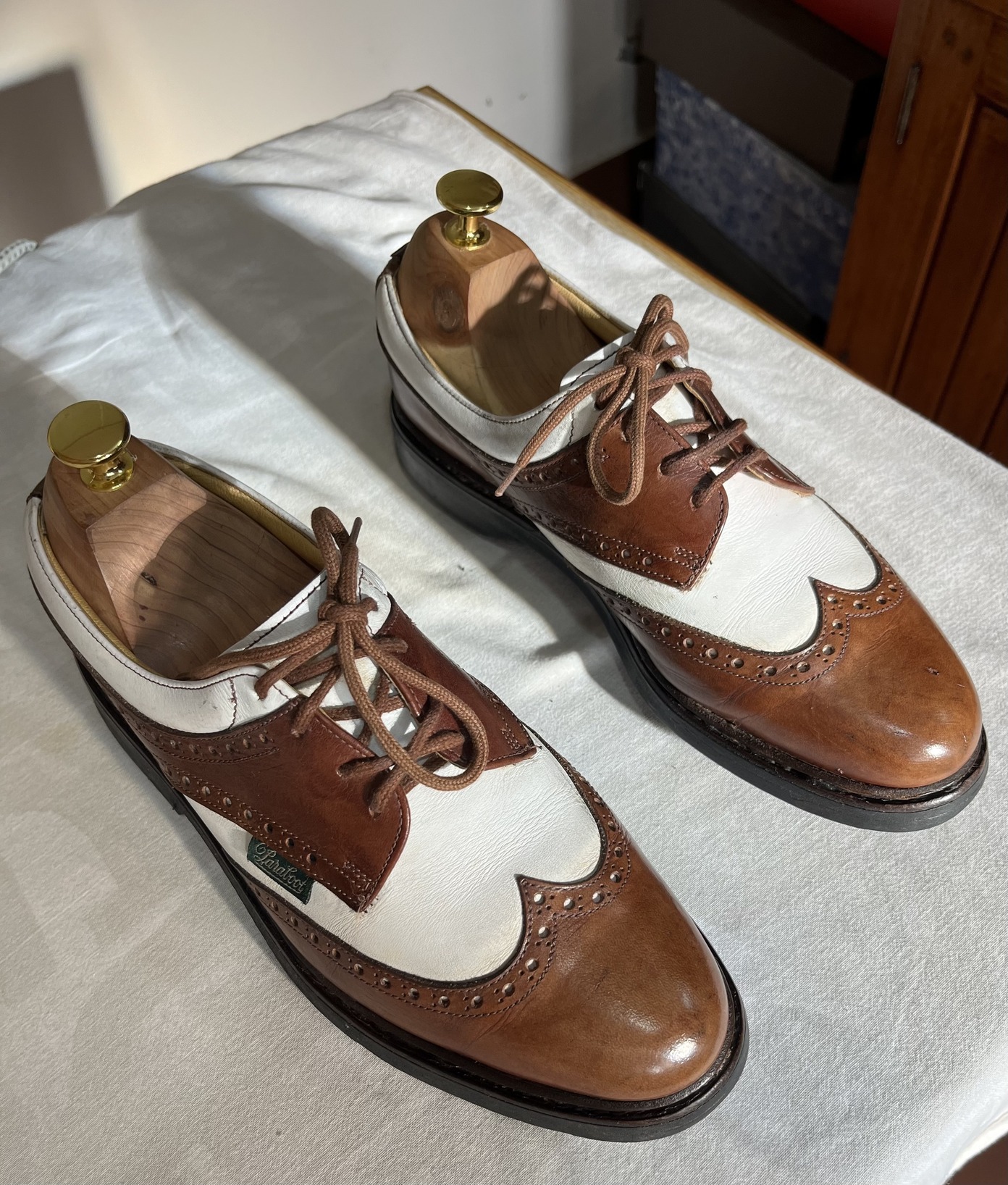
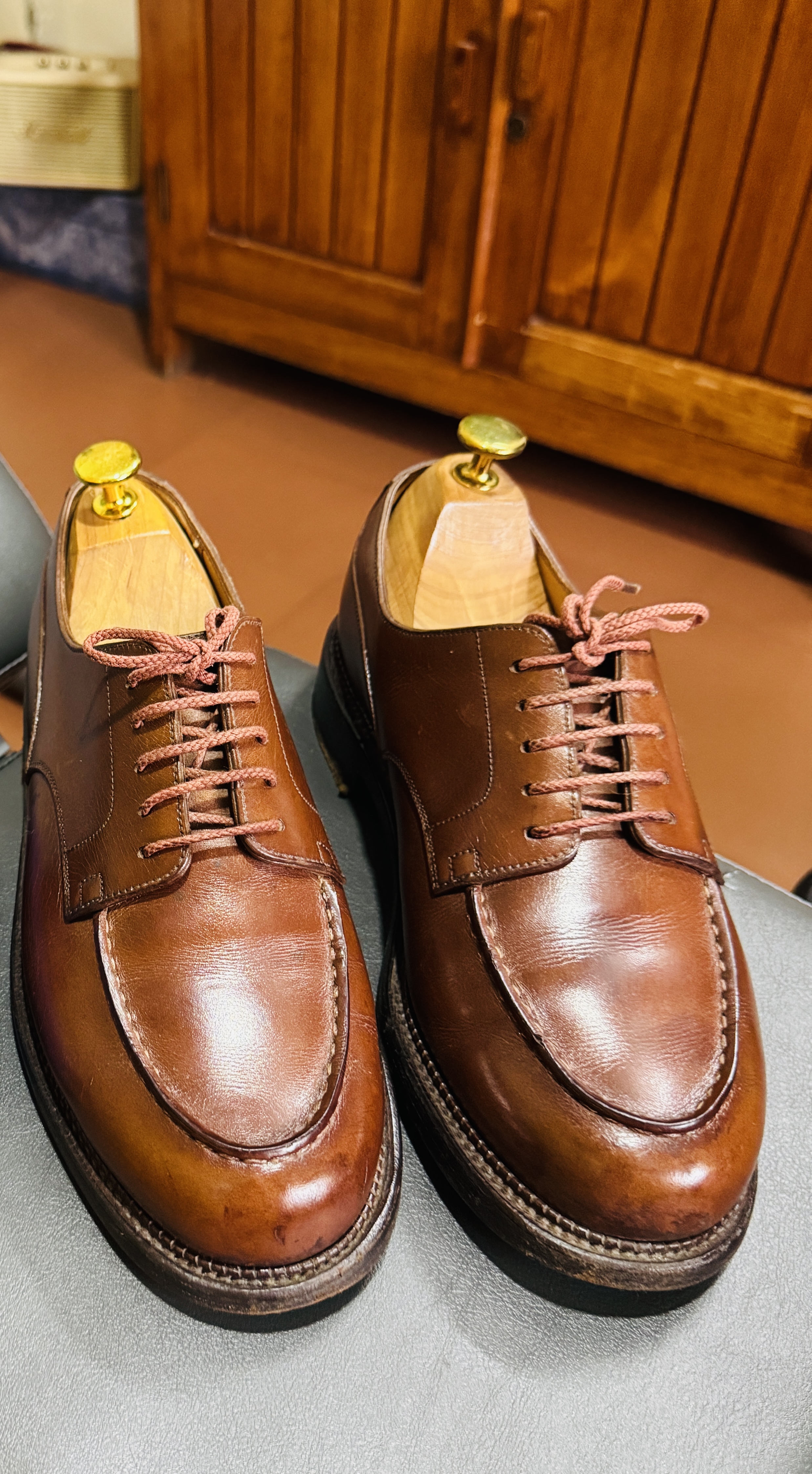
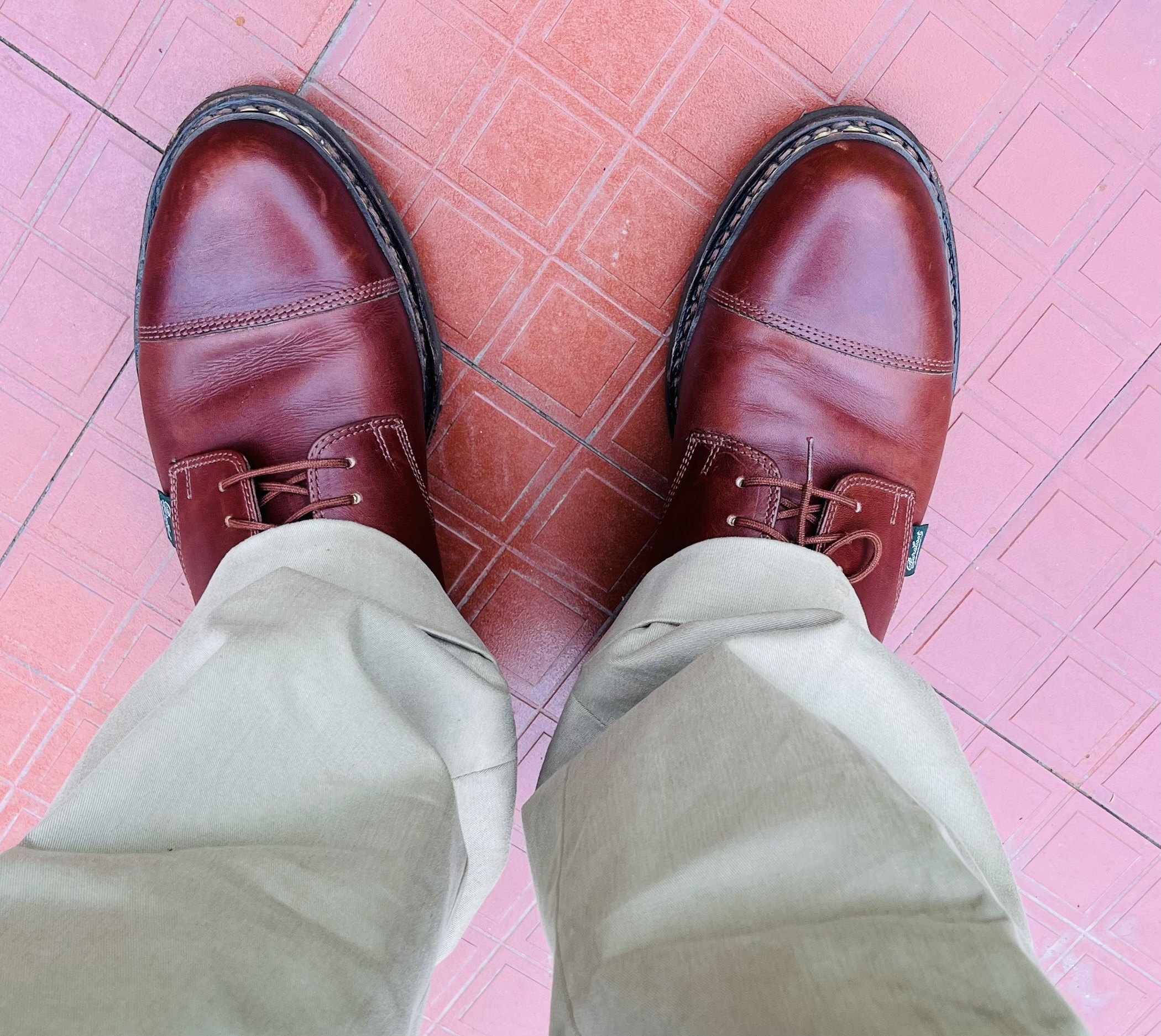
However, India has some great shoemakers. Bridlen, BlkBrd Shoemaker, Toramally, and Oblum are just a few names making waves in the shoe world. Of these, Bridlen and BlkBrd have a plethora of lasts and source good leather from tanneries such as Horween (Chicago), Annonay (France), and suedes from Charles F. Stead, among others. A few other Indian makers import leather from Argentina. A well-made shoe is a thing of beauty—and a great investment too. A Russian scientist is supposed to have said, “I am too poor to be able to afford cheap shoes.” She was correct if one considers cost in terms of price-per-wear. They say the cheap shoe you never wear even once is the most expensive shoe you’ll ever buy. The owner of the French house J. M. Weston is reported to have said one just needs two or three Westons to last a lifetime. If that’s the case, then even at their high prices, the cost-per-wear would make buying them not a bad deal at all. But with Weston one has to be careful about sizing: I have one J. M. Weston—their iconic Golf derby in Russian calf—on which I wear 5.5, but there’s another plain-toe blucher whose last suits me best at 6, and wide.

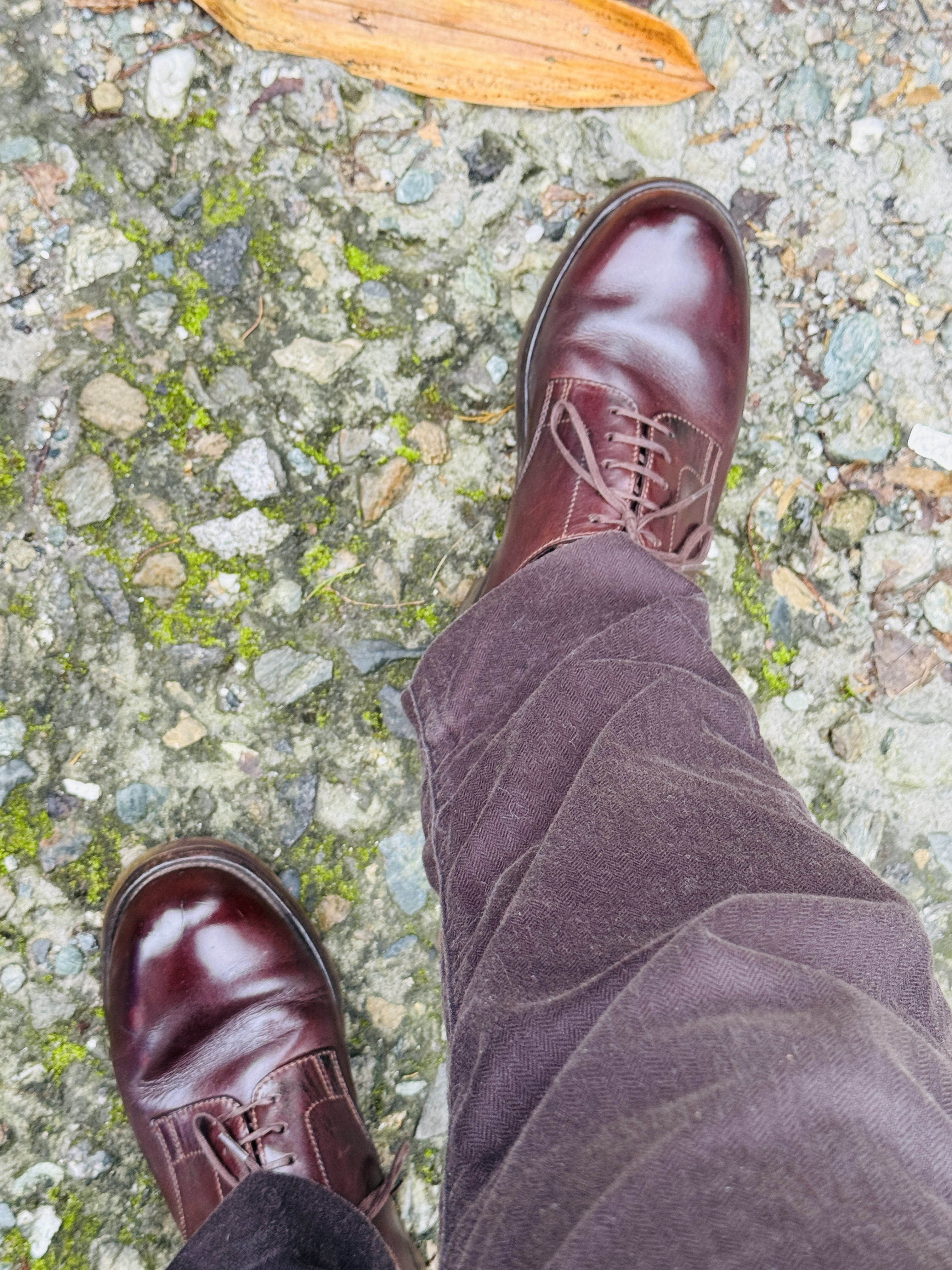
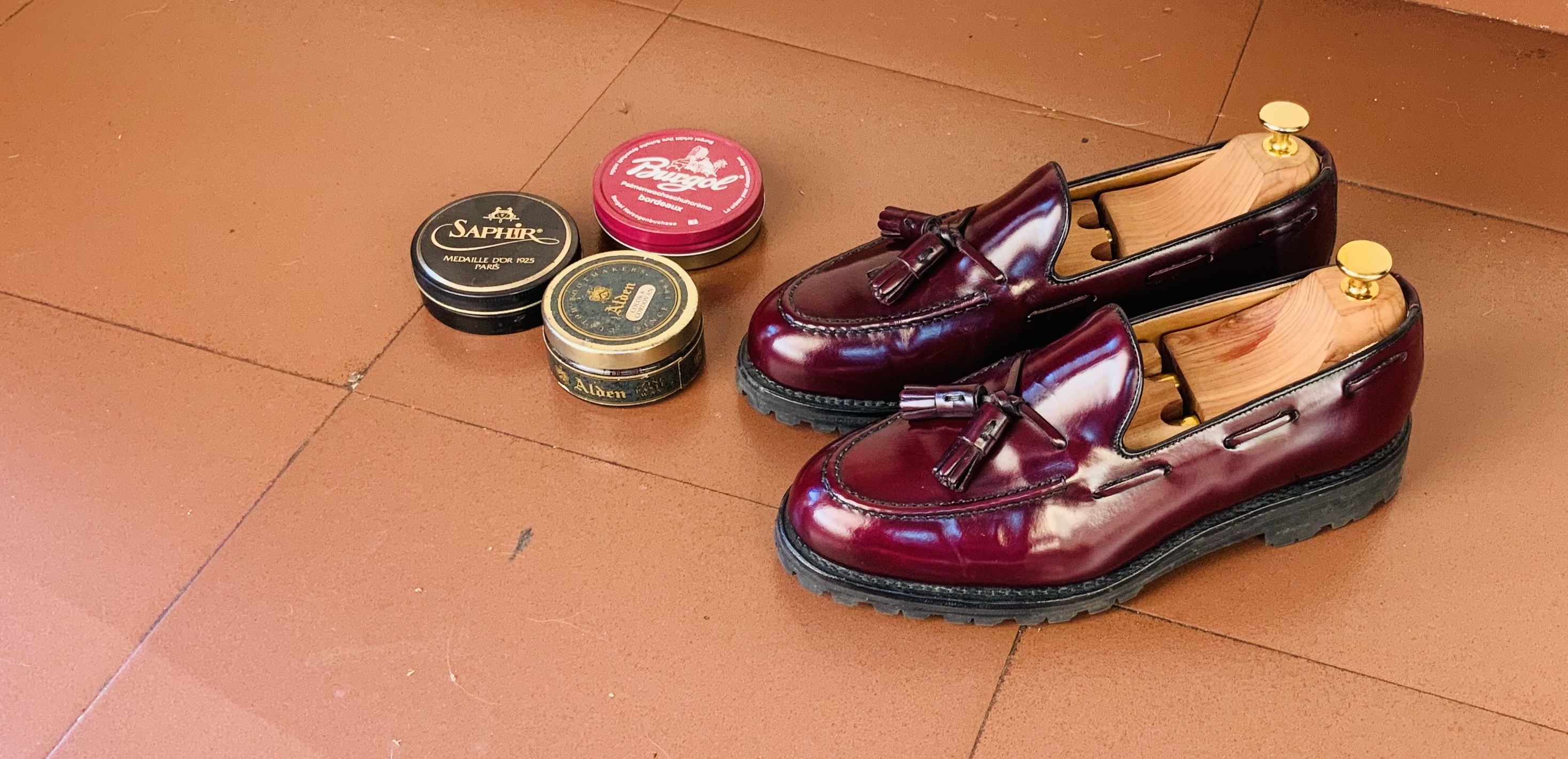
Bridlen and BlkBrd also offer shoes in shell cordovan. Thanks to its Japan connection, Bridlen offers Shinki cordovan—famous among aficionados for its tea-core ageing—whereas BlkBrd sources from Horween. Horween shells are renowned for their Color 8, a deep aubergine. Cordovan is the dense membrane from the horse’s rump, treated for months in oils. It has a very tight grain and is exceptionally tough; it doesn’t crease so much as it rolls. It’s also excellent for watch straps—I have a strap in Rococo cordovan from an artisan in Ukraine. Most leathers on straps get destroyed by constant sweat; cordovan, not so.

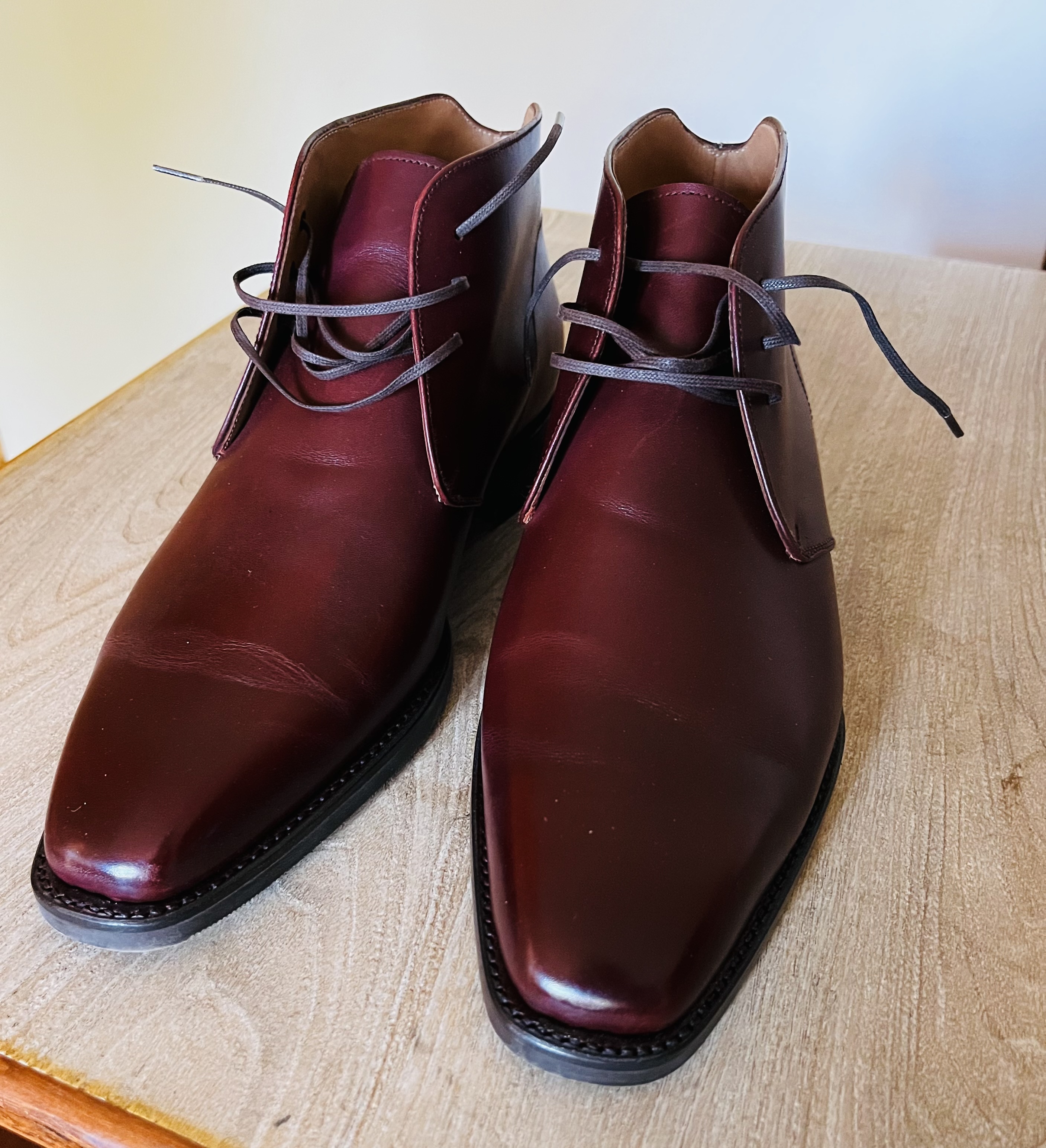
The two most common dress shoe designs are defined by the lacing system: shoes with a closed lacing system—where the eyelets sit under the vamp—are called oxfords, and those with open lacing—where the eyelets sit over the vamp—are derbies. A shoe cut from a single piece of leather is a wholecut. My R. M. Williams Comfort Craftsman (a Chelsea boot) is a wholecut, whereas my Carmina Chelsea on their Rain last is not.

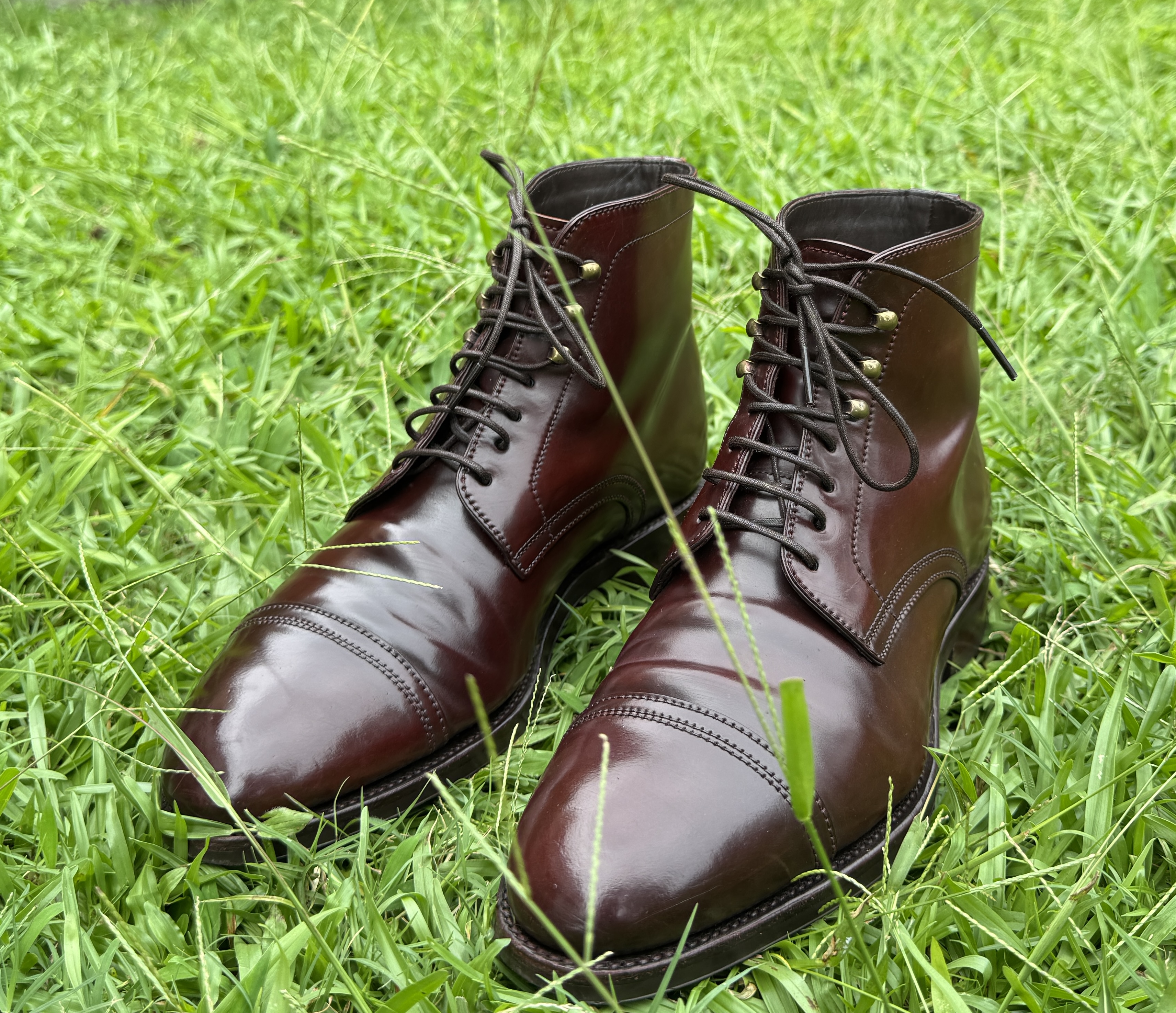
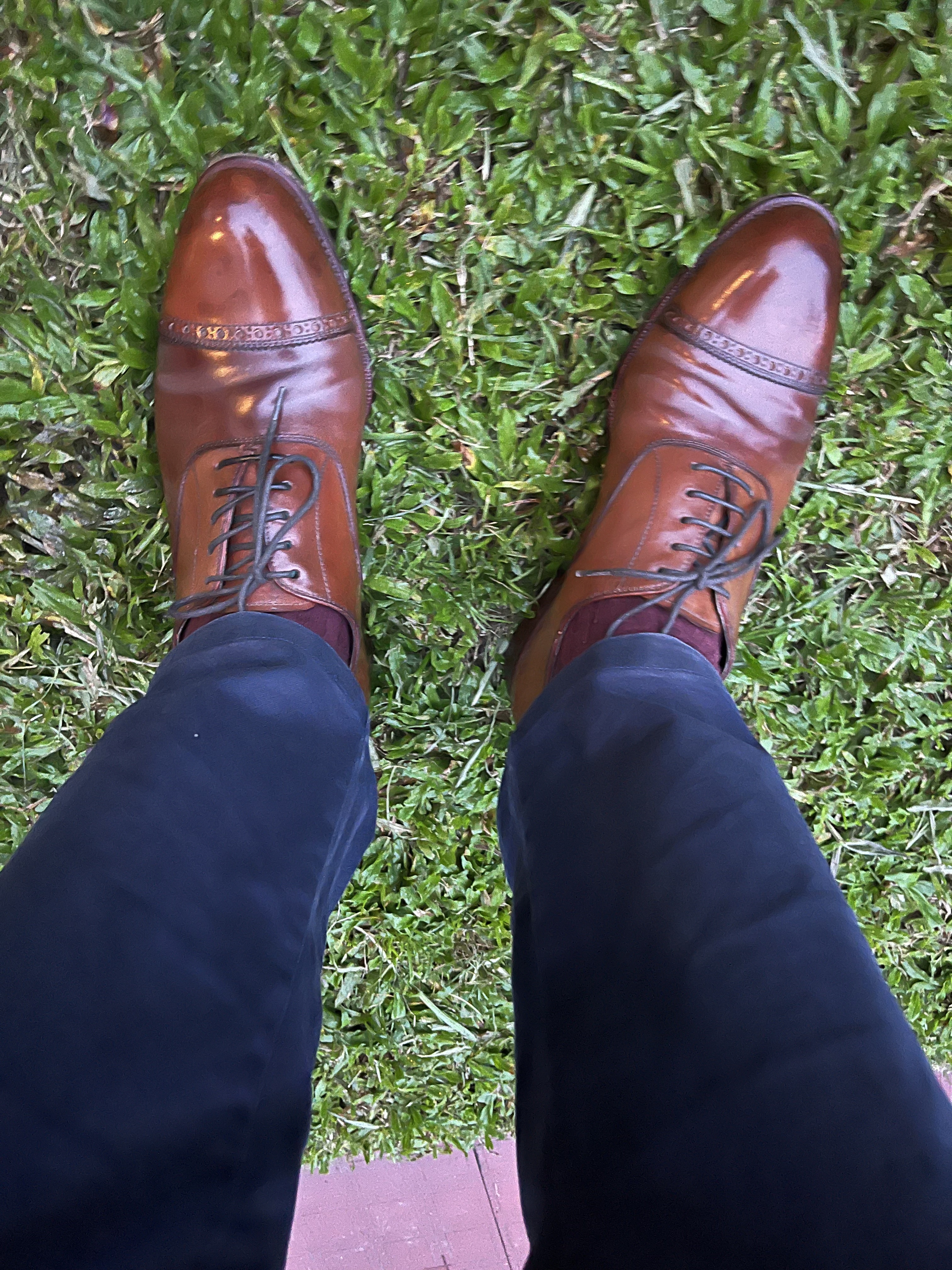
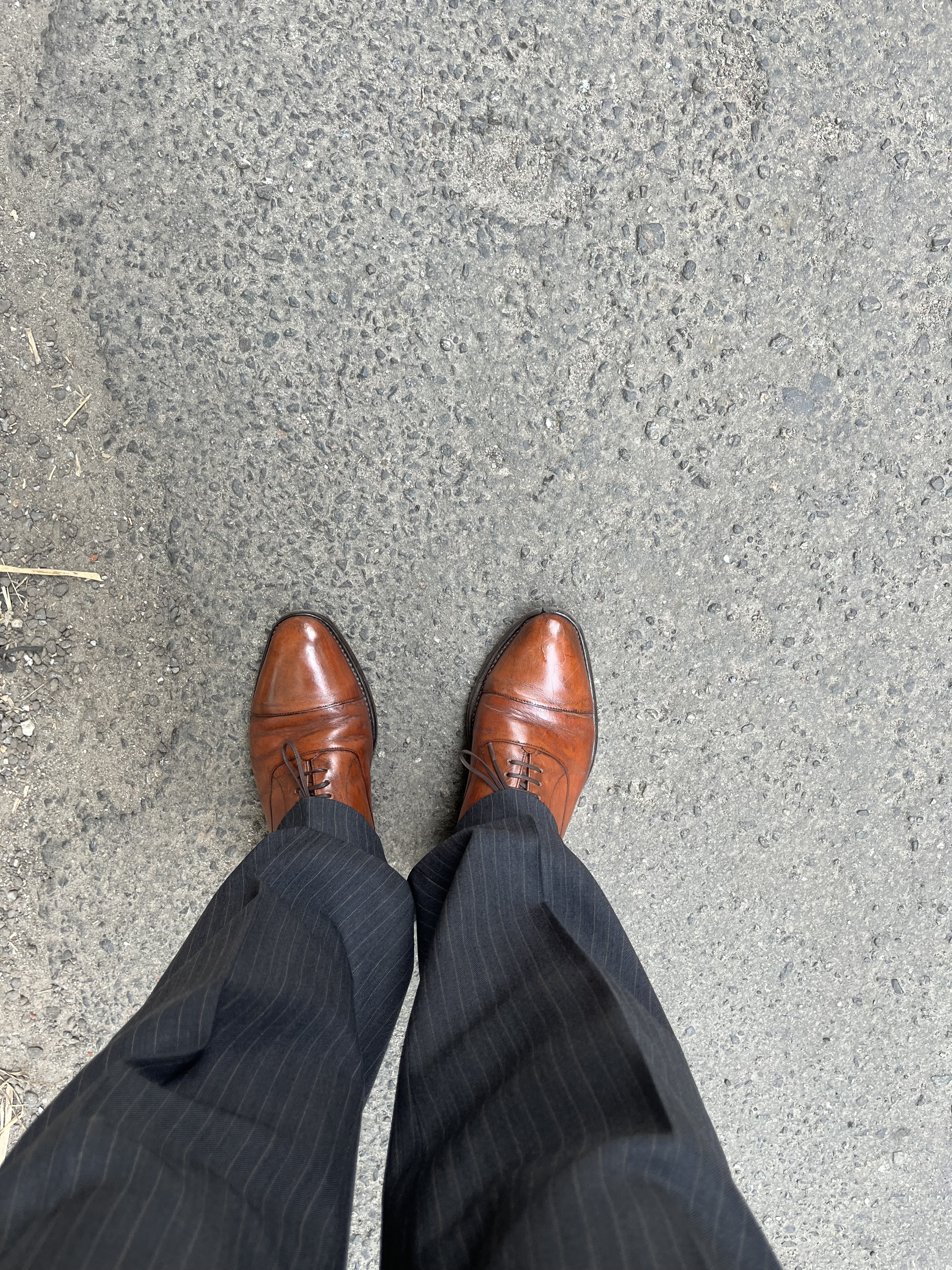
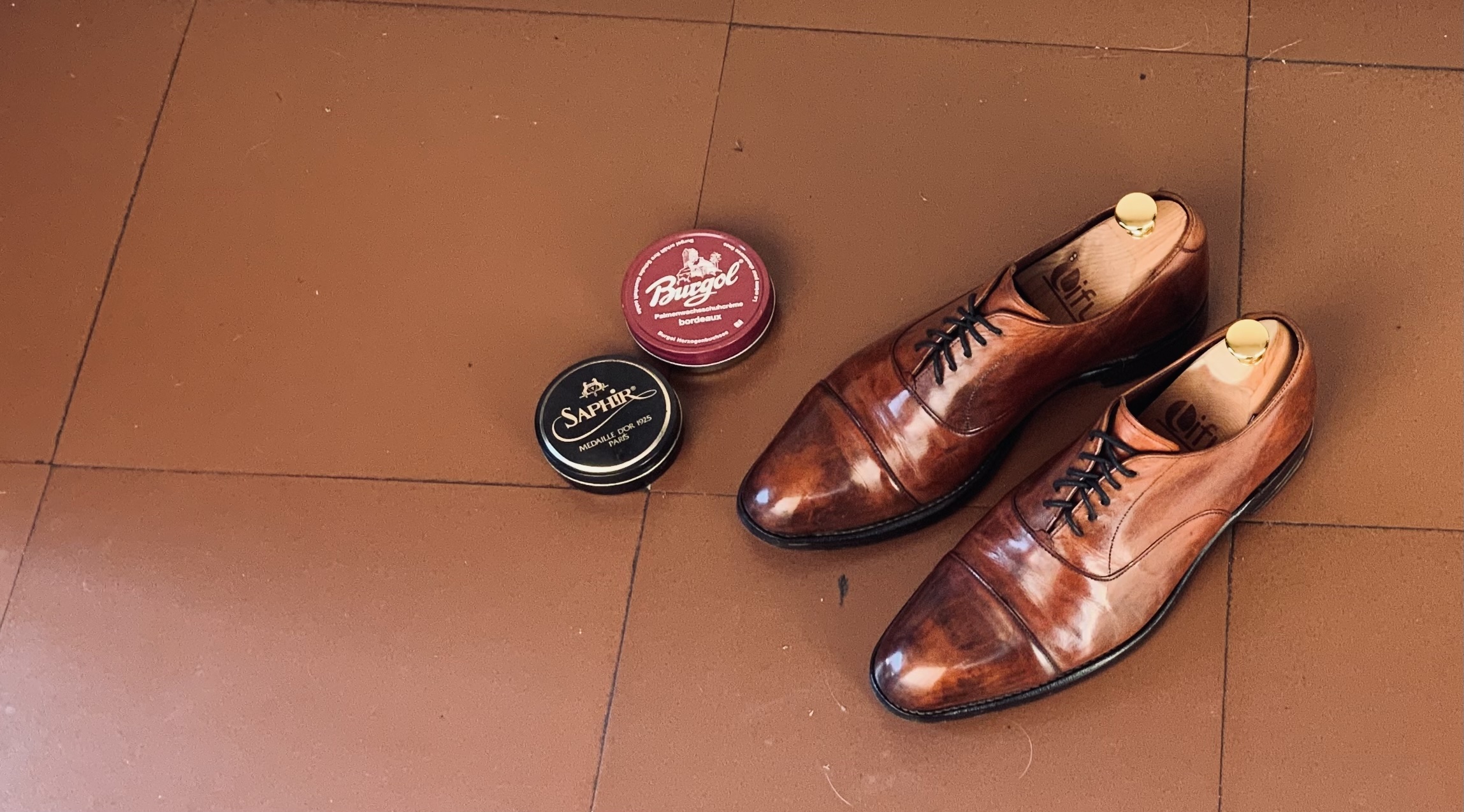
The thing that gives a shoe its shape and refinement is the last, the three-dimensional mould around which leather is wrapped to create the shoe. Good makers maintain multiple lasts to cater to different foot shapes and styles. Allen Edmonds in the U.S. has hundreds. Fit depends not just on size but on the last: take Carmina, for example—you can often go true-to-size on their Rain and Soller lasts but may need to size up on Simpson. Some Alden shoes use orthopedic lasts, so if you order their iconic Indy boot on the TruBalance last true-to-size, it will be too big. I have just one Alden, a shell-cordovan cap-toe derby made for Hanes B of Zurich, on their Copley last—true-to-size for me.

By “sizing,” most mean the number given by the Brannock device—the standard metal tool (invented in 1926 by Charles Brannock) that measures foot length, width, and arch length for a precise fit. Sizes can be UK, US, European, or Japanese; the Brannock reads in US by default. I’m not conversant with the rationale behind US/UK/EU systems, but the Japanese sizing—based on the foot’s centimetre length—is the most revealing.
The kind of detailed work shoemaking demands suits the Japanese temperament. Their stitch density, closing, finishing, heel and waist work take shoemaking to another level. Most world champions in shoe shining and shoemaking seem to be Japanese. Hiro Yanagimachi, Yohei Fukuda (though based out of London), and Koji Suzuki (now with Stefano Bemer in Tokyo) make shoes that are things of beauty—works of art. Masako Bando and Kumiko Isaki are peerless Japanese lastmakers. The Stefano Bemer school of shoemaking in Florence offers courses; Tarun Oblum of Oblum may have studied there.
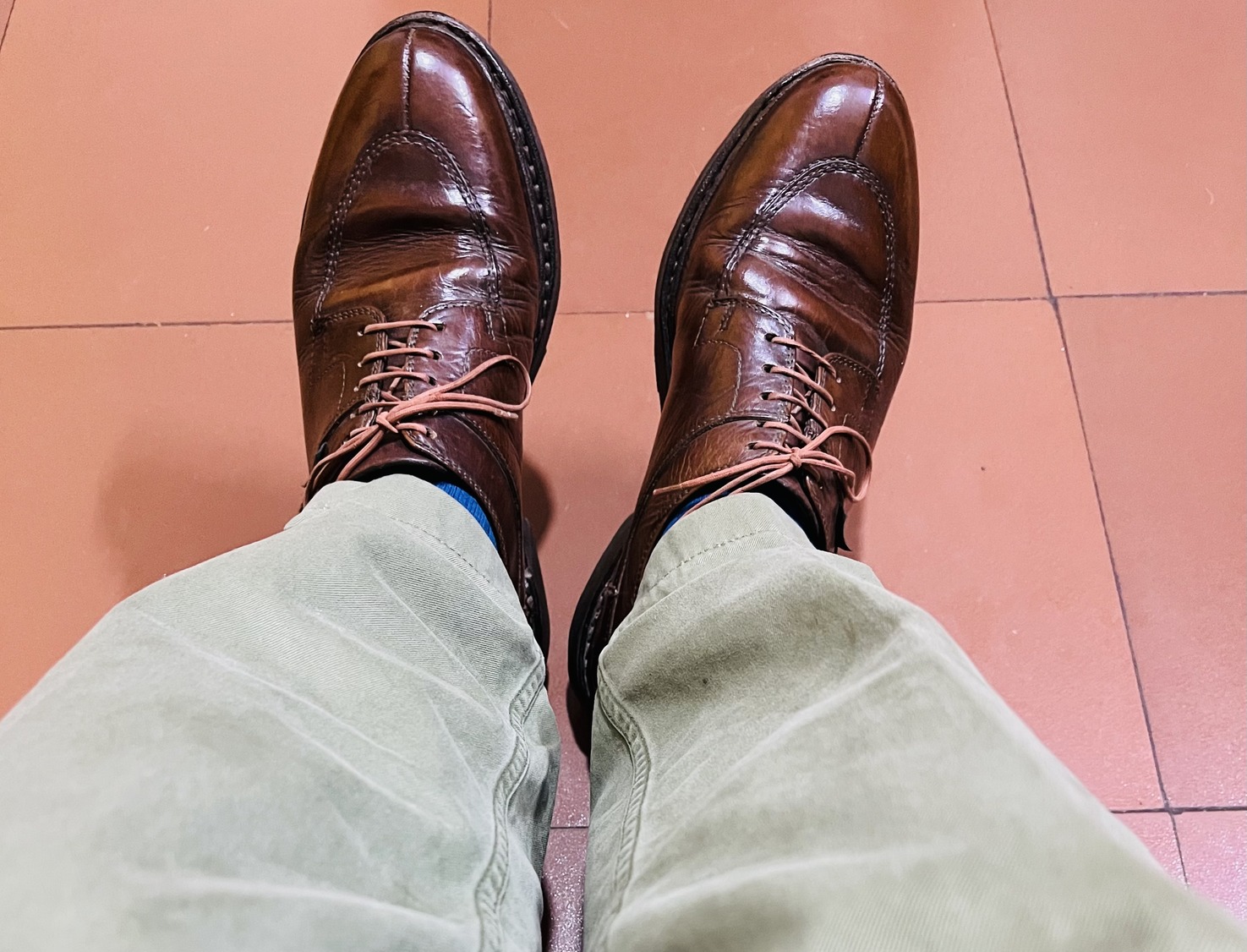
To be continued…